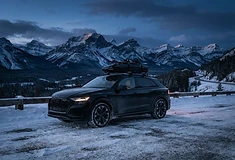
Driving from Calgary to Banff: What to Know Before You Go

The drive from Calgary to Banff is one of the most rewarding journeys in Canada. Here's what to consider before you set out.
Driving from Calgary to Banff: What to Know Before You Go
The drive from Calgary to Banff is one of Alberta’s most memorable journeys. In approximately 90 minutes, the city skyline gives way to open foothills, dramatic mountain peaks and the unmistakable beauty of Banff National Park.
The route is straightforward, but weather, traffic and park regulations can affect the experience. Whether you are visiting for a weekend escape, an important corporate event or the beginning of a longer Rocky Mountain itinerary, a little preparation will make the journey considerably more enjoyable.
How Far Is Banff from Calgary?
Banff is approximately 125 kilometres west of Calgary. Under favourable conditions, the drive normally takes between 90 minutes and two hours.
From Calgary, the primary route follows the Trans-Canada Highway—Highway 1—west through the foothills. Travellers arriving at Calgary International Airport can usually reach Banff in approximately two hours, depending on traffic, weather and their final destination.
Allow additional time during:
- Friday afternoons and holiday weekends
- Winter storms or periods of reduced visibility
- Construction and road maintenance
- Major events in Calgary, Canmore or Banff
- Peak summer travel periods
Before leaving, check current conditions through 511 Alberta.
The Best Route from Calgary to Banff
Highway 1 is the fastest and most convenient route from Calgary to Banff. It is a divided highway for the majority of the journey and offers striking mountain views as you approach Canmore.
A typical itinerary follows this sequence:
Calgary → Cochrane area → Kananaskis turnoff → Canmore → Banff
Canmore is located approximately 20 minutes before Banff and makes an excellent place to stop for coffee, dining or a short walk. However, if Banff is your primary destination, continuing directly into the national park is usually the most efficient option.
The drive may appear simple on a map, but mountain conditions can change quickly. Visibility, snowfall and wildlife activity can all influence travel time.
You Will Need a National Park Pass
Banff is located inside Banff National Park. Visitors who stop or spend time within the park require a valid Parks Canada entry pass.
Passes can be purchased online in advance or at the park entrance. A daily pass is suitable for a short visit, while a Parks Canada Discovery Pass may offer better value for travellers visiting several national parks or staying for an extended period.
Simply driving through the park without stopping is treated differently, but anyone visiting Banff, scenic viewpoints, trails or attractions should have a valid pass. Review current requirements and pricing on the official Banff National Park pass page.
What Is the Drive Like in Winter?
Winter transforms the route into a remarkable landscape, but it also introduces additional considerations. Snowfall can be heavy, temperatures may fall rapidly and sections of the highway can become icy.
Before travelling in winter:
- Check road and weather conditions
- Allow more time than your navigation estimate
- Travel in a properly maintained vehicle
- Use suitable winter tires
- Carry warm clothing and essential supplies
- Avoid unnecessary stops along the highway
- Maintain a safe distance from other vehicles
Parks Canada recommends winter tires and requires snow tires or chains on certain mountain highways during designated periods. These requirements become especially important if your itinerary continues beyond Banff toward Lake Louise, the Icefields Parkway or British Columbia. Consult the official Parks Canada driving guidance before departure.
Watch for Wildlife
Wildlife can appear near or directly on roads throughout Banff National Park. Elk, deer, bighorn sheep and other animals may be present at any time of day, although activity is often greater around dawn and dusk.
Obey posted speed limits and remain attentive, even when the road appears clear. If you see an animal, slow down safely and expect that others may be nearby. Avoid stopping in active traffic lanes or approaching wildlife for photographs.
Arriving and Parking in Banff
Banff is compact and easy to explore once you arrive, but parking can be limited during busy periods. Downtown parking areas often fill quickly during summer, weekends and holidays.
If you are driving yourself, check parking information before entering the townsite and pay close attention to time limits and designated spaces. Public transit is available within Banff and can be useful when visiting popular attractions.
A chauffeur service offers a more comfortable alternative. Passengers can be dropped close to their destination without navigating unfamiliar streets, searching for parking or walking long distances with luggage.
Planning to Visit Lake Louise or Moraine Lake?
Lake Louise is approximately 45 minutes beyond Banff, but access requires additional planning.
Parking at Lake Louise Lakeshore is extremely limited and paid during the seasonal operating period. Parks Canada recommends reserving a shuttle or using an approved transit service rather than relying on personal-vehicle parking.
Moraine Lake Road is closed to personal vehicles. Access is provided through Parks Canada shuttles, public transit and licensed commercial transportation operators during the operating season.
Shuttle reservations can sell out well in advance. Check the current schedules, access rules and reservation dates on the official Lake Louise and Moraine Lake transportation page.
When Is the Best Time to Travel?
Every season offers a different experience.
Spring
Spring is quieter, although conditions can vary considerably. Calgary may feel warm while Banff still has snow and ice. Pack layers and check trail conditions before planning outdoor activities.
Summer
Summer brings long daylight hours and comfortable temperatures. It is also the busiest season, so accommodations, restaurants, attractions and transportation should be reserved early.
Autumn
September and early October often provide cooler temperatures, fewer crowds and beautiful seasonal colour. Early snowfall remains possible, particularly at higher elevations.
Winter
Winter is ideal for skiing, festive escapes and dramatic snow-covered scenery. Road conditions require closer attention, but travelling in a properly equipped vehicle allows visitors to experience the Rockies at their most atmospheric.
What Should You Bring?
Even for a day trip, consider bringing:
- A valid park pass
- Water and light refreshments
- A warm outer layer
- Sunglasses and sunscreen
- Comfortable footwear
- A charged phone and charging cable
- Any required medication
- Hotel and activity confirmations
- Shuttle reservations, if visiting Lake Louise or Moraine Lake
Mountain weather can change quickly. Dressing in layers is useful throughout the year, including summer evenings.
Is It Better to Drive or Book a Chauffeur?
Driving from Calgary to Banff is manageable, but it requires attention to traffic, road conditions, parking and changing mountain weather. For travellers who value comfort and simplicity, a private chauffeur provides a more refined experience.
With Car to Go ABC, your journey can begin from Calgary International Airport, a private residence, a downtown hotel or another requested location. A premium SUV or spacious executive vehicle provides room for passengers and luggage while an experienced driver manages the route.
Private transportation is especially valuable for:
- Airport-to-hotel transfers
- Corporate travellers and executive groups
- Families carrying luggage or ski equipment
- Wedding and special-event transportation
- Guests unfamiliar with winter mountain driving
- Custom Banff, Canmore and Lake Louise itineraries
Instead of concentrating on the road, passengers can relax, work or enjoy the scenery from Calgary to the mountains.
Begin Your Banff Journey in Comfort
The journey from Calgary to Banff is more than a transfer between two destinations. It is the moment the landscape opens, the mountains appear and the pace of the trip begins to change.
Thoughtful planning makes the drive safer and more enjoyable. Private chauffeur service makes it effortless.
Travel from Calgary to Banff in comfort with Car to Go ABC. Reserve a private premium vehicle for your airport transfer, hotel arrival, corporate itinerary or Rocky Mountain journey.
Button: Book Your Banff Transfer
Reserve Your Rockies Vehicle
Reserve Your Ride